
"dry-processed coffee"
134 article(s) found

Introduction to the taste of Yega flavor in Ethiopia's Konga Wote Kongawat Sun
For the exchange of professional baristas, please follow the coffee workshop (Wechat official account cafe_style) Ethiopia Yegasuefei-Konga Wote Kongawat G3 sun-dried beans in Ethiopia will add 3 and 4 after the name to make a difference (with 3 better quality). After the coffee cherry is harvested, the peel and pulp will be dried in the bean drying farm immediately until the coffee is dried to 16% moisture.

Where is the production area of Sidamo, Ethiopia? the flavor description of coffee beans introduces the characteristics of taste varieties.
Where is the coffee bean in the Sidamo region of Ethiopia? the flavor description of the coffee variety introduces that it grows in the plateau of Western Ethiopia at an altitude of 4900-5900 feet (Wollega province), north of Jima, most of which are wild, with an annual output of about 500000bags/60kg, and most of them are exported to G5/G4. The bean body is larger and longer than Longberry, with a little brown in green, similar to the smell of jasmine tea and bitter.
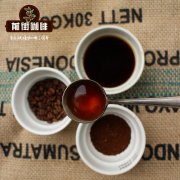
A brief introduction to three processing methods of coffee beans what is the addition of washing to the flavor of coffee?
Professional coffee knowledge exchange more coffee bean information please follow the coffee workshop (Wechat official account cafe_style) Front Street-Coffee processing methods introduce the world's top gourmet coffee coffee processing methods are achieved through many different methods. These processing techniques can be divided into three categories: wet processing (washing), dry processing (natural, sun-dried), and honey processing. Farmers choose the most suitable for them.

What is arusha coffee?| How does the arusha blue mountain coffee variety taste?
Professional coffee knowledge exchange More coffee bean information, please pay attention to coffee workshop (Weixin Official Accounts cafe_style) First of all, Arabica series in addition to Bourbon and Kent main varieties, there are Tibika, Blue Mountain, Arusha. And then there's Robusta. 450,000 smallholder farmers in productive farming systems depend on coffee (locally known as kahawa) for their livelihoods. These five hectare plots

Common sense of Italian Coffee understand the true meaning of espresso through crema fat
Just recently, a coffee magazine in Copenhagen published an article saying that coffee would taste better if the coffee fat from Italian espresso was skimmed off. Indeed, the coffee oil tastes extremely bitter, and if the oil is removed, the overall taste of the coffee will become sweeter. But traditional coffee makers don't think so. The Italian National espresso Association

Italian coffee knowledge points introduction: through crema(fat) to understand the true meaning of espresso
Just recently, a Copenhagen coffee magazine published an article claiming that espresso coffee tastes better if the fat is removed from it. Indeed, coffee fat tastes extremely bitter, and if the fat is removed, the overall taste of coffee will become sweeter. But traditional coffee drinkers don't think so. Italian National Espresso Association
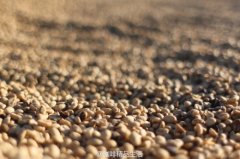
Brazil is the country with the largest coffee production in the world.
Brazil is the largest coffee producer in the world. Because of the vast territory of Brazil, each farm has its own unique fragrance, no doubt, but also with the standard flavor of Brazil. Not only the coffee quality standard in Brazil is very strict, but also the coffee raw bean processing system in Brazil has reached a very high level from the world standard. Summary: a country located in central South Africa and southwest Brazil.

Introduction to the Origin and Flavor treatment of Ethiopian Coffee quality characteristics of Grinding scale
Ethiopian Coffee Origin Flavor treatment quality characteristics Grinding scale Origin introduction the traditional treatment method is solarization. In 1972, the first batch of washing processing plants were built in the Yirgacheffe production area. Decades ago, most coffee is now wet-processed in the western and southern regions. In general, wet-processed coffee is thought to be purer, softer and round.

Introduction of Vietnam Coffee Bean Flavor description and Grinding scale Variety Taste Manor
Vietnam Coffee Corporation (VINACAFE) is a 100% state-owned enterprise with 73 companies and farmers under its jurisdiction.

Introduction of Variety characteristics of Flavor description and Grinding Calibration treatment of Vietnamese Coffee beans
Drinking coffee is a daily habit of Vietnamese. Vietnamese cafes are very common, not high-spending places, and ordinary coffee is only a few yuan RMB. Vietnamese coffee is not brewed in a coffee pot, but a special dripping coffee cup, followed by an old-fashioned printed glass, drop by drop to pass the time. Drop on the cup holder below when you do it.

Introduction to the production areas of varieties and grades of Russian Giema Coffee beans exposed to the sun
Growing in the southern western highlands of Ethiopia (border between Shewa and Sidmo provinces), east of Gima and north of Sidamo, it is preferred by most Europeans and Americans at an altitude of 3600-6200 feet. Its annual output is about 110000bags/60kg, and most of the beans are round (15/16scr). The color is green with blue in color.

Introduction to the Origin of Ethiopian Coffee
Growing in the western highlands of southern Ethiopia (the border of Shewa and Sidmo provinces), east of Jima, north of Sidamo, most Europeans and Americans prefer 3600-6200 feet above sea level, most of them are washed with water, their annual output is about 110000bags/60kg, most of the beans are round (15/16scr), the color is green and bluish, the export is mostly G2 grade, the taste is similar to Yegashev, but the viscosity is simple.

Coffee processing in Vietnam Coffee prices have fallen continuously
In the field of coffee processing, there have been some dilapidated processing plants since 1975, and there are several processing plants in northern Tongjiao, Fukui and other places, whose equipment was made in East Germany from 1960 to 1962. In the south, the old factories left by former landowners such as ROSSI,DELPHANTE are also small. While expanding the planting area of coffee, it also began to build new coffee processing plants, initially producing some
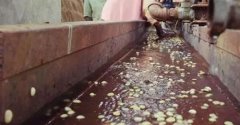
Introduction to the characteristics of Orami Cooperatives in the Lekanti producing area of Ethiopia Coffee flavor description
For the exchange of professional baristas, please pay attention to the coffee workshop (Wechat official account cafe_style) Ethiopia Lekanti-Orami Cooperative Sun Bean Ethiopia is the country where coffee was first discovered, and Ethiopia is the most important producer of coffee in terms of quality and output, with an annual output of about 350000 tons. About 15 million people in the country are engaged in this industry, and more than 90% of them are small coffee farmers.

Ethiopia where coffee beans are produced Brand flavor Manor production area introduction
Ethiopian coffee grows in the plateau of western Ethiopia at an altitude of 4900-5900 feet (Wollega Province), north of Jima. Most of it is wild, with an annual yield of about 500000bags/60kg. Most of the exports are G5/G4. The beans are larger and longer than Longberry. The green color is a little brown. The taste is similar to jasmine tea. It is bitter, lacks the rising hala, slightly sour, and has a slight fruit fragrance and wine fragrance.

What do you mean by dried fruit on a tree? What are the flavor characteristics of dried fruit coffee on the tree?
Professional barista communication Please follow the dried fruit on the tree in the coffee workshop (Wechat official account cafe_style). What does it mean? The dried fruit on the tree, literally, is the fruit dried on the tree. When the coffee cherry is naturally dried on the tree, it not only fully absorbs the nutrients of the tree, but also absorbs a lot of sunlight, so the aroma, sweetness and flavor will be richer. But relative harvest
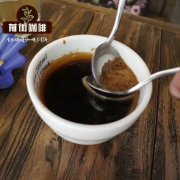
Lime Coffee | Ethiopia | Red Cherry Project | Kobena Forest G3 sun-dried beans
For more information on coffee beans, please follow the coffee workshop (Wechat official account cafe_style) Lime Coffee | Ethiopia | Red Cherry Project | Kebana Forest Kobena Forest G3 sun-dried beans Ethiopia is the first country to discover coffee, and it is still the most important and best producer in terms of coffee quality and output. Coffee is mostly traditional.

A brief introduction to the language of Coffee
Here I would like to explain to you a few adjectives or nouns about coffee tasting. I would like to remind you that these coffee languages are neutral and have no value judgment. Mastering these coffee tasting languages not only allows us to introduce the characteristics of coffee beans in different countries in more detail, but also enables us to describe our tastes and be more aware of our preferences. Texture, taste (Bo

Introduction to Ethiopian Coffee Culture and Flavor of Fine Coffee beans
The southern western highlands of Ethiopia (border of Shewa and Sidmo provinces) east of Jima, north of Sidamo, 3600-6200 feet above sea level are preferred by most Europeans and Americans, most of them are washed with water, their annual output is about 110000bags/60kg, most of the beans are round (15/16scr), the color is green and bluish, the export is mostly G2, the taste is similar to Yegashev, but the viscosity is thin, but

Introduction to Ethiopian coffee producing areas? But the introduction of Bena forest sun beans?
Professional coffee knowledge exchange more coffee bean information please pay attention to coffee workshop (Wechat official account cafe_style) Ethiopia is the country where coffee was first discovered. It is still the most important producing country and the best in terms of coffee quality and output. Most coffee is the traditional Arabica species, with an annual output of about 350000 tons and more than 70% exported to countries around the world.